
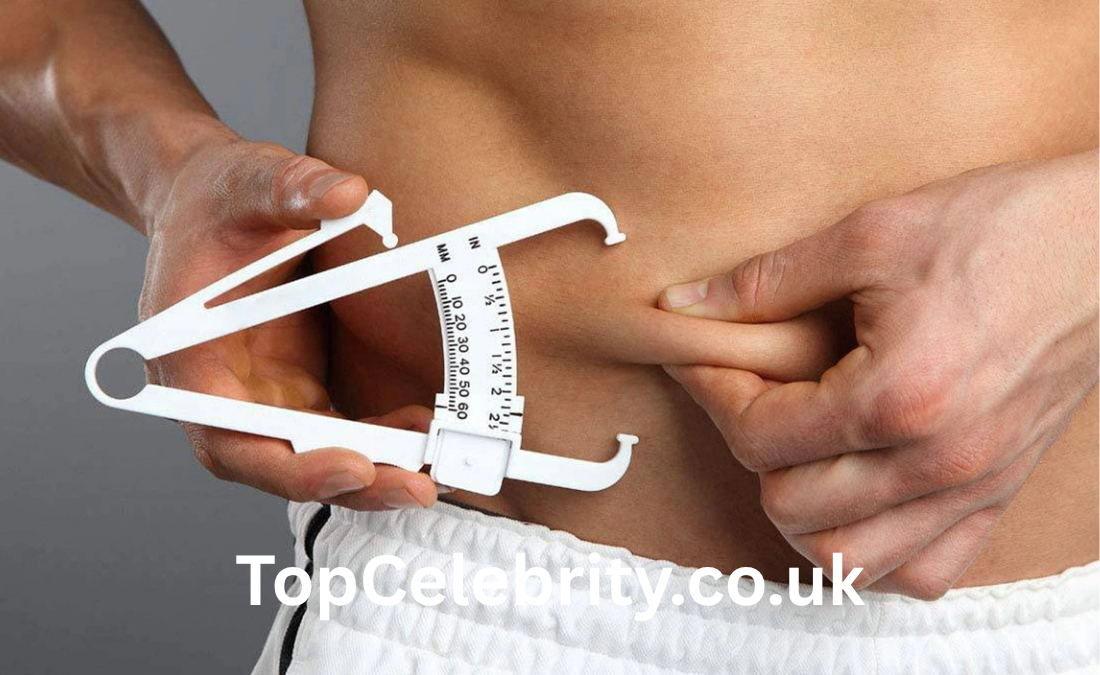
Understanding body composition can provide more useful information than looking at body weight alone. A body fat calculator estimates what percentage of your total weight comes from fat and can help you follow changes in body composition over time. Unlike BMI, which uses only height and weight, body-fat estimates attempt to distinguish fat mass from lean tissue.
For people tracking fitness, weight changes or body composition, a body fat calculator can be a convenient starting point. However, the number should be treated as an estimate rather than an exact measurement because different methods can produce different results.
What Is a Body Fat Calculator?
A body fat calculator is an online tool that estimates body fat percentage using information such as height, weight, age, sex and, depending on the method, body measurements.
The exact information required depends on the formula being used. Some calculators estimate body fat from BMI, while circumference-based methods use measurements such as the waist, neck and hips. More advanced assessments can use devices based on bioelectrical impedance or imaging techniques.
The main result is usually body fat percentage, which represents the estimated proportion of your total body weight that is fat.
How Does a Body Fat Calculator Work?
A body fat calculator uses a mathematical equation to turn personal measurements into an estimated body-fat percentage. One commonly used approach is the U.S. Navy circumference method, which uses body circumferences and height rather than relying only on body weight.
For men, the Navy method generally uses waist, neck and height measurements. For women, it also incorporates hip circumference. The measurements are entered into a formula that estimates body-fat percentage.
Another approach uses BMI, age and sex to produce a rough estimate. This method is convenient because it requires fewer measurements, but it has important limitations, particularly for people whose muscle mass differs substantially from average.
What Information Do You Need?
Before using a body fat calculator, it is useful to have accurate measurements available. Depending on the calculation method, you may need your height, weight, age, sex, waist circumference, neck circumference and possibly hip circumference.
A flexible measuring tape is usually sufficient for circumference-based calculations. The tape should be placed consistently and should not be pulled so tightly that it compresses the skin.
Small measurement differences can affect the final estimate, so taking measurements carefully and using the same technique each time can make progress tracking more meaningful.
Body Fat Percentage vs. BMI
BMI and body fat percentage are related but they are not the same measurement. BMI is calculated from weight relative to height, while body-fat percentage attempts to estimate how much of that weight consists of fat.
This distinction matters because two people can have the same BMI but very different body compositions. Someone with substantial muscle mass may weigh more without having the same amount of body fat as another person at the same height and weight.
A body fat calculator can therefore provide additional context that BMI alone cannot provide. However, neither number should be interpreted without considering the individual’s overall health and circumstances.
How Accurate Is a Body Fat Calculator?
The accuracy of a body fat calculator depends heavily on the method used and the quality of the measurements. No simple online calculator can directly measure the amount of fat in your body.
Research comparing common field methods with more advanced techniques has found that skinfold and bioelectrical impedance measurements can correlate with reference methods such as DEXA, but differences between individuals can still be substantial.
This means a calculator is often more useful for observing a trend than treating one reading as an exact percentage.
For example, if the same method shows a gradual change over several months while your measurements are taken consistently, that trend may be more useful than worrying about whether a single reading is precisely correct.
What Is the U.S. Navy Method?
The U.S. Navy method is one of the best-known circumference-based approaches for estimating body fat. It uses body measurements rather than requiring specialised scanning equipment.
The method estimates body fat from measurements such as waist, neck, height and, for women, hips. Because it requires only a measuring tape, it is accessible for people who want a practical estimate at home.
A body fat calculator using this method can perform the mathematical calculations automatically, making it easier for users who do not want to work through logarithmic equations manually.
Can Smart Scales Measure Body Fat?
Many modern bathroom scales use bioelectrical impedance analysis, commonly called BIA, to estimate body composition. The device sends a very small electrical current through the body and uses the resulting impedance together with other information to estimate body composition.
Research has found that consumer BIA devices can vary in their agreement with DEXA and other reference techniques. Device design, prediction equations and individual characteristics can all influence the result.
For that reason, a body fat calculator and a smart scale may produce different numbers even when used by the same person.
How to Get More Consistent Results
Consistency is one of the most important factors when tracking body composition. Try to measure yourself under similar conditions each time rather than comparing measurements taken at completely different times of day.
Use the same calculator or measurement method whenever possible. Measure your waist and other body areas at the same anatomical locations, and avoid changing the technique from one assessment to another.
It is also useful to record measurements alongside body weight, waist circumference, exercise performance and other relevant indicators. Looking at several pieces of information can provide a more realistic picture than relying on one percentage.
What Does a Body Fat Percentage Mean?
Body-fat percentage indicates the estimated proportion of total body weight that is fat. The remaining weight consists of lean components such as muscle, organs, bones and body water.
There is no single body-fat percentage that is ideal for every person. Age, sex, genetics, athletic status and other factors can influence body composition.
Rather than assuming that a lower number is automatically better, it is more useful to consider whether the measurement fits within a healthy context for the individual. Extremely low body fat can also be associated with health concerns, so reducing body fat should not become an objective at any cost.
Body Fat Calculator for Weight-Loss Tracking
A body fat calculator can be useful during a weight-management programme because body weight alone does not explain what is changing.
For example, someone who exercises regularly may lose fat while maintaining or gaining muscle. In that situation, changes in body weight might be relatively small even though body composition is changing.
Tracking waist circumference, body weight and estimated body-fat percentage together can provide more information about long-term progress.
The key is to focus on trends rather than expecting every measurement to move perfectly from one week to the next.
When Should You Seek a More Accurate Measurement?
If you need a more detailed assessment of body composition, a professional evaluation may be more appropriate than an online calculator. DEXA is one established method used for body-composition assessment, although even advanced techniques have their own limitations and are not necessary for everyone.
Studies have demonstrated differences between DEXA, BIA, skinfold measurements and other approaches, reinforcing the importance of understanding what a measurement actually represents.
A healthcare or qualified fitness professional can help determine which assessment makes sense for a particular situation.
Common Mistakes When Using a Body Fat Calculator
One of the most common mistakes is entering inaccurate measurements. Another is comparing results from different calculators as though every formula measures body fat in exactly the same way.
It is also easy to become overly focused on small numerical changes. Because body-fat estimates have measurement error, a difference of a fraction of a percentage point does not necessarily represent a real physiological change.
Using the same method consistently and watching longer-term trends is generally more sensible.
Conclusion
A body fat calculator can be a useful tool for learning about body composition and monitoring changes over time. It is especially convenient because many methods require only basic information or a measuring tape.
However, the result is an estimate, not a laboratory measurement. Different techniques can produce different answers, and factors such as measurement technique, hydration and individual body composition can affect results.
The best way to use a body fat calculator is to treat it as one piece of information. Combined with weight, waist measurements, fitness progress and overall health, it can help provide a broader understanding of changes in body composition.
FAQs
What is a body fat calculator?
A body fat calculator estimates the percentage of your total body weight that consists of fat using a mathematical formula and personal measurements.
Is a body fat calculator accurate?
It can provide a useful estimate, but it cannot guarantee an exact body-fat percentage. Accuracy varies according to the formula, measurements and individual characteristics.
What measurements are needed?
Depending on the method, you may need height, weight, age, sex, waist and neck measurements, with some methods also requiring hip circumference.
Is body fat percentage better than BMI?
They measure different things. Body-fat percentage provides information about estimated fat mass, while BMI uses height and weight and does not directly distinguish fat from muscle.
How often should I calculate body fat?
For tracking changes, consistency matters more than frequent testing. Using the same method under similar conditions and looking at longer-term trends can be more useful than daily readings.